Audiobooks and Struggling Readers: A Bridge, Not a Replacement
Audiobooks and Struggling Readers: A Bridge, Not a Replacement
One of the questions I am sometimes asked by parents is:
“If my child listens to audiobooks instead of reading, will it prevent them from learning to read?”
It is an understandable concern. Parents want their children to practise reading. When reading is difficult, it can feel counterintuitive to allow a child to listen to a book rather than struggle through it independently. However, audiobooks can be one of the most valuable tools available to struggling readers when used appropriately.
The Problem Many Struggling Readers Face:
For proficient readers, decoding words becomes automatic. For struggling readers, however, decoding remains effortful. Imagine trying to understand a story while simultaneously solving hundreds of tiny puzzles on every page. By the time many struggling readers have worked out the words, they have little mental energy left to understand, enjoy, or engage with the text. This often leads to frustration, avoidance, and a growing belief that reading simply isn’t for them.
What Audiobooks Provide:
Audiobooks remove the decoding burden while preserving access to language and ideas.
Children can:
• Access age-appropriate stories and information
• Develop vocabulary
• Strengthen listening comprehension
• Build background knowledge
• Experience fluent reading models
• Engage with books that would otherwise be inaccessible
Most importantly, they can experience success.
What Audiobooks Cannot Do:
Audiobooks do not teach decoding. Children still need explicit reading instruction, structured literacy teaching, and opportunities to practise reading print. Listening alone will not develop the skills required for independent reading. This is why audiobooks should never be viewed as a replacement for reading instruction.
The Best of Both Worlds
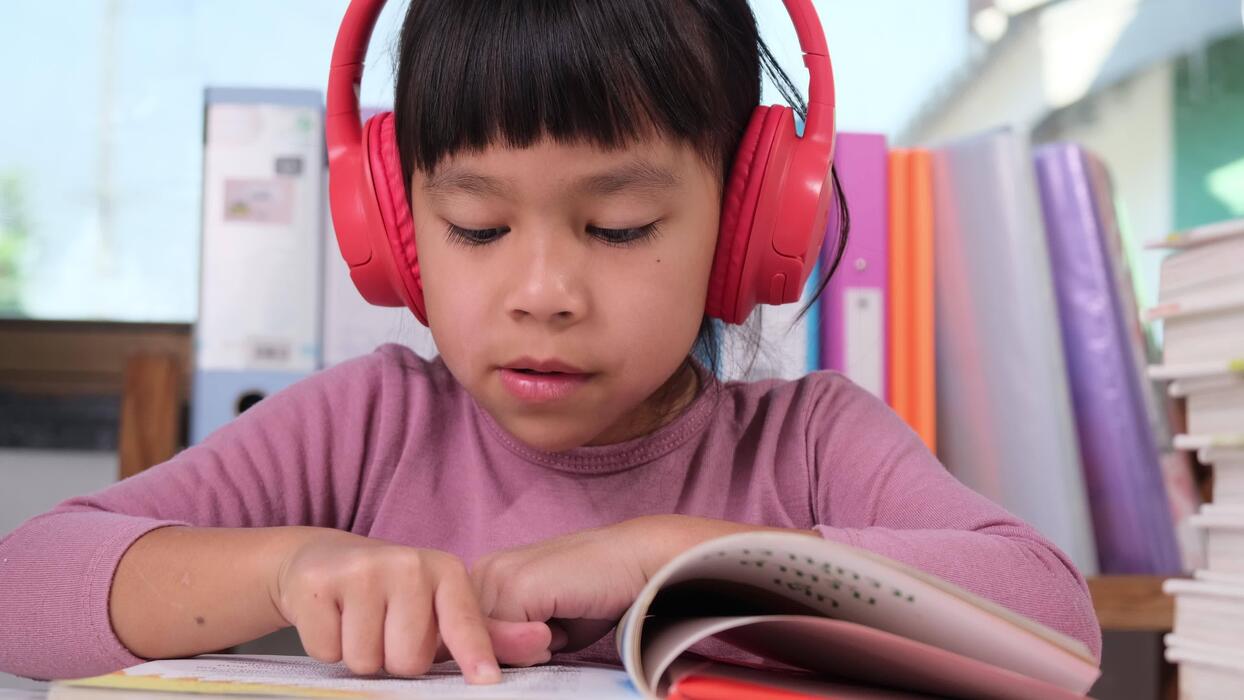
One of the most effective approaches is to combine listening and reading.
Children can:
• Listen while following along in the printed book
• Alternate between reading and listening
• Listen to books above their reading level
• Read books at their independent reading level
This approach allows children to continue developing reading skills while also accessing rich language and meaningful content.
Confidence Matters
Many struggling readers begin to view books as a source of failure. Audiobooks can help rebuild a positive relationship with reading. They remind children that stories, information, and learning are still available to them—even while they work on developing stronger reading skills. When used thoughtfully, audiobooks are not a shortcut.
They are a bridge.
And for many children, that bridge can make the difference between giving up on books and becoming a lifelong reader.